
Platform
We need to focus on growing our economy & Bringing economic stability
My proposals focus on economic growth and revolve around three prongs:
Institutional Infrastructure
Physical Infrastructure, and
Community Building
Together, the following proposed projects will create economic stability; create good jobs; and give all the people of MA the opportunity to have happy and dignified lives - in a good economy that works for all of us, not just a few.
1.
Institutional Infrastructure
For Massachusetts, we should put our tax dollars to work and prioritize state funding for accessible, high-quality, no-cost public services for:
-
Description text goes here
-
Massachusetts needs to build new transit systems, new utility systems, and more housing - and all of these projects require a strong, high skilled trades workforce.
So, as a state, we should create and fund an easily accessible, no-cost UMass Trades and Engineering School to help train this workforce and build our state’s sustainable future.
With a well-funded, well designed, and easily accessible trades and engineering school, we can introduce more students to a variety of trades, provide them with general and specialized skills, and offer more advanced engineering degrees - which will ultimately create the workforce we need to build a better future for all of us.
-
The high cost of child care now strips working families from their income, ultimately leaving them with no money and no family time - which weakens families and hurts the working class.
So, instead of continuing to subsidize our broken system, the state should start a high-quality, no-cost childcare program available to every MA resident aged 6 weeks to 5 years old, ensuring high quality care for all families.
With this well-funded program, we can more efficiently dedicate our tax dollars directly to service, staff, and childcare (and not inflated profits).
This state funded option will give us a better public service at a lower cost - directly helping families and strengthening our state.
-
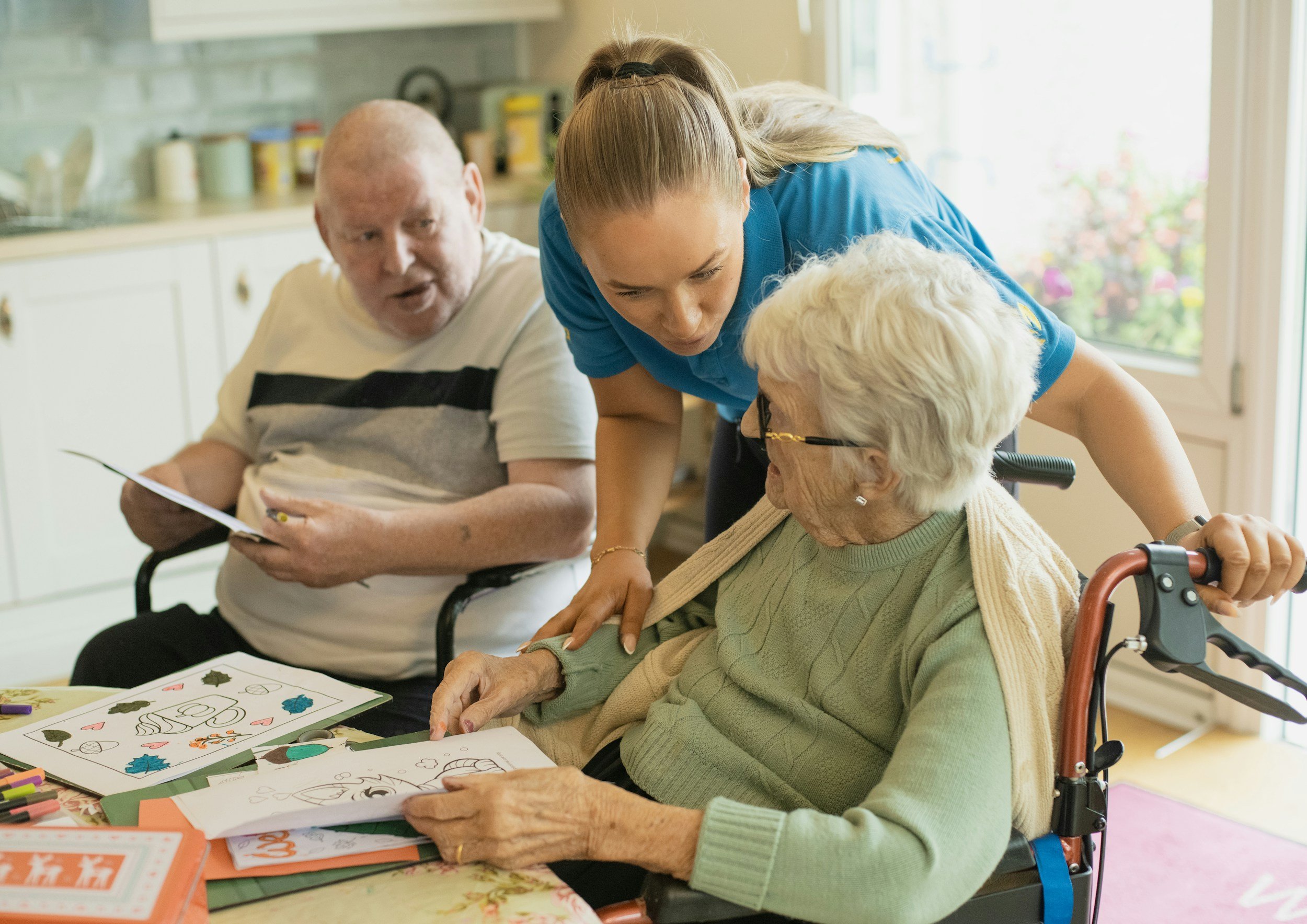
Massachusetts has a growing demand for healthcare professionals, especially for elder care, pediatrics, and special needs. To help meet these demands, our state should offer a high quality, no-cost nursing and medical program focused on medical training, biomedical sciences, physical therapy, medicine, and nursing.
This program would increase access to high-level education and applicable skills training; reduce and/or eliminate debt; attract more people to medical professions; and produce more medical professionals for our economy.
This medical school, along with our eldercare/childcare programs and health clinics will truly bring us closer to the best healthcare in the world.
-
Healthcare has become too costly and inefficient - and for as much as we spend on it, we’re not producing better health outcomes. To address these problems, MA should start and operate easily accessible community health clinics for urgent care, preventative care, and routine screenings.
These efficient, well-staffed, well-equipped clinics, with same-day scheduling, would directly improve service, cut out expensive insurance middle-men, and ultimately improve healthcare results with preventative care and early detection - which will then save taxpayers hundreds of millions, if not billions, of dollars annually in healthcare costs.
-
The state currently subsidizes private nursing homes $4.5 Billion dollars annually, with payments of upwards $10,000 a month for just one elder patient. And for what we spend, very little of that money goes to actual care or the staff, and it instead goes to private profits - and it’s not right.
Instead of subsidizing inflated private nursing home costs (like we currently do) - we should redirect that money towards a high quality, state-run, no-cost elder care/nursing home program in MA.
This program would lower overall costs and put the taxpayers’ money where it should go: directly to better eldercare and towards well-trained, well-paid staff - not to private profits.
2.
Physical Infrastructure
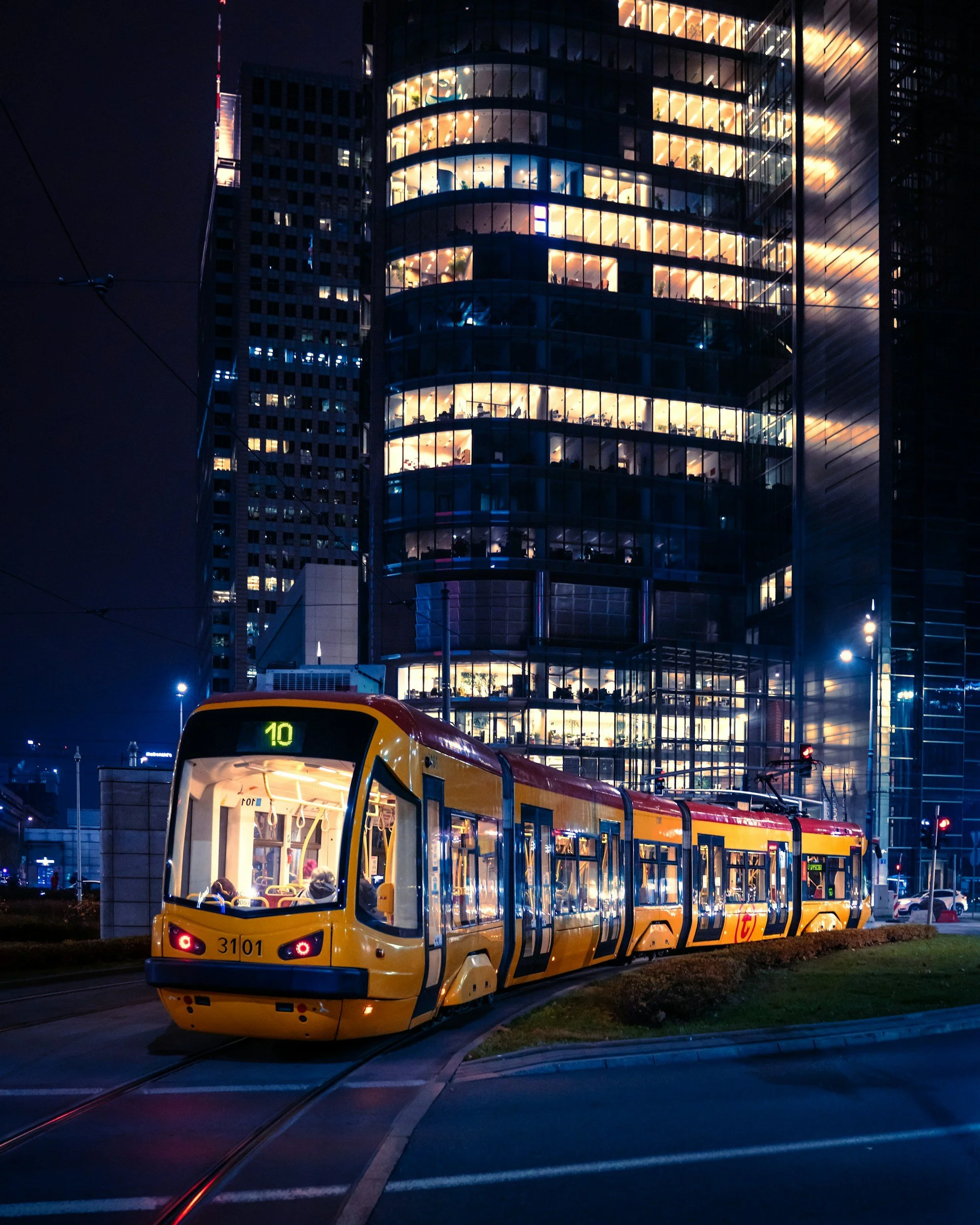
We need to build 5 new MBTA Tram lines in greater boston.
CLick here to learn about the 5 Tram Proposal
These new transit lines will anchor and support a bold comprehensive vision for more housing, better transit, and rapid economic growth throughout MA, focused on:
-
Transit oriented development is a way we reduce traffic, build more housing, and improve the quality of life for hundreds of thousands of people.
It means building more housing around high-quality transportation hubs (like train stations and commuter rails), which gives people an alternative to driving into and around Greater Boston.
-
Moving large amounts of people as quickly and safely as possible should be our priority in transportation infrastructure - and trams help us do precisely that. Trams are the key to fixing Greater Boston’s transportation problems and unlocking our state’s economic potential.
Trams are above ground, surface level light rail trains that move quickly and efficiently around a city, which improves commutes, improves the economy, improves quality of life, and increases foot traffic that helps local businesses.
All major and modern cities - from Shanghai to Paris - utilize trams, and it’s time we caught up.
-
We need to stop building isolated gray block apartment buildings by the highway.
These building styles and their isolated locations reduce the sense of community and increase car traffic.
So, we need to guide trends toward building housing that creates community, has mixed use zoning that embraces small/local businesses, has public spaces (such as parks and city squares), and is connected to a reliable rapid transit system.
All of those factors make a place to live more enjoyable and desirable, as opposed to a gray apartment by the highway.
-
A walkable city means putting housing and businesses closer together so that it becomes so convenient that you would contemplate an enjoyable quick walk to the grocery store, instead of a 20 minutes drive.
In addition to reducing traffic, the higher foot traffic in walkable cities creates more vibrant social spaces that support local businesses - which then improves quality of life and our economy. And this is all much better than ugly gray apartments and big box stores next around highway exits - as we currently do.
And a walkable city doesn’t mean, “get rid of cars,” it means that we can build new housing in ways people don’t need a car for daily commutes, and instead can walk and use reliable, clean, and safe public transportation - such as my proposed tram lines.
As we build our new housing, we should focus our development on walkable cities of gently density housing and support for local businesses.
-
A vibrant downtown is a place where people can enjoy a meal, have a drink, connect with friends and neighbors, walk around, browse local shops, enjoy community, see art, and conduct business. Examples of vibrant downtowns are Burlington, VT and Portland, ME).
Vibrant downtowns are great because they bring people together in places outside of work and home, which builds community and fights isolation - and equally as important, vibrant downtowns foster economic vitality by creating spaces for small businesses, restaurants, and entertainment venues to thrive with high levels of foot traffic.
The problem is that our modern car-centric cities and suburbs have destroyed downtowns, which is detrimental to our cities’ economies and our sense of community. Even worse, because of the death of downtowns, small businesses find it hard to survive, which now leaves us only with chains stores, fast food, and big box stores - all which extract money from our communities instead of bringing money into them.
So, to respond to this problem and build community, I want us to build vibrant, small business friendly, downtowns through out Massachusetts, and then concentrate higher density housing with street level storefronts around those downtown areas.
We can create vibrant downtowns with both revitalizing and pedestrianizing existing downtowns, such as with Quincy Center or Hanover Street in Boston; and by buying and creating entirely new spaces through out Greater Boston/MA to build public squares specifically for small, independent businesses, arts, and entertainment, in a similar size as Faneuil Hall or Downtown Burlington, VT (roughly 0.1 square mile).
By fostering real downtowns, we can create community, grow our economy, and get rid of corporate slop.
-
Item description
-
Item description
3.
Community Building, Music, Arts, and Food

We’re losing our sense of community. We’re losing our small businesses. And we’re losing our appreciation for how important art and beauty are to life.
But to reverse these trends, I propose a series of projects, all together costing a one-time expense of $15M (that’s 0.03% of our state budget), to directly enrich our communities, create opportunity, and bring joy to our daily lives. Those projects are:
-
We want to support small businesses, enrich communities, and promote delicious, fresh, real food (not ultra processed crap) in our communities. To work towards those objectives, MA should start a new food truck program, where we: buy 30 food trucks, and then rent those trucks for a year-long leases to qualified independent, start-up restaurateurs/entrepreneurs throughout MA.
These restaurateurs would apply to the program and then get selected from a lottery. After selection, they would operate exactly as if they owned it, paying for their own insurance and supplies, creating their own menus, controlling marketing and branding, paying taxes, and ultimate keeping the profits.
This program would create 30 small businesses that offer convenient, high quality food options in our neighborhoods; it lowers the risks and costs of new businesses, which improves chances of success; and it let’s those start-ups to showcase their product/brand, allowing them to get investors/financing to expand into the sit-down restaurants that we want to fill our downtowns.
This program would only cost a one time payment of $2M, but in return, it will help launch dozens - if not hundreds - of new, successful (and taxable) businesses that create jobs, keep money in our local economy, and bring joy of new food into our communities for years to come. Well worth the one time nominal investment of .003% of our state budget.
-
Description text goes here
-
As a state, we should promote live entertainment and community building in our cities.
To foster this effort, the state should own and operate dozens of community entertainment venues (capacity 60-80 people) in our downtowns throughout Massachusetts. This would create accessible and affordable community venues for the public and artists to use and enjoy.
Operating similarly to public access TV, this program would operate and rent the venues (for free or a very low flat fee) to local residents who want a place for public enrichment events. Those residents would then, at their liberty and cost, host their events, such as live music, local artists, comedians, art exhibits, lectures, non-profits events, live podcasts, and more.
Then, the program would release monthly online calendars so that more people can attend and get involved with their community.
These community access venues would: remove the costs and hassle for emerging artists and community groups; bring vibrance and life to our cities; and bring the sense of community connection that our society desperately needs. So, we should allocate budgeting for dozens of Community Access Entertainment Venues in MA.
Examples of existing programs we can borrow ideas from, include: Don’t Tell Comedy (live comedy), So Far Music (live local music), Porchfest (live music), The Moon Base (non-profit live music venue), The Lily Pad (a perfect sized local venue), and Lectures on Tap (academic lecture series in bars).
-
Many areas of Massachusetts have bland, monotonous building facades. These bland cities aren’t good for the soul and they negatively affect our mental health. But, just like green spaces, colorful murals and street art (as opposed to gray concrete) enhance our daily experiences and quality of life.
So, as a state, we should embrace policies that facilitate large murals, and establish a well-funded Mural/Street Art Program that can work with world-class artists and local artists to bring countless colorful murals and cultural vibrance to our communities.
Cities already have such programs, like Philadelphia, where they have over 4000 murals on display; and Worcester, where they have many murals, including the famous mural Mooncake by Insane51.
So, now it’s our time for Massachusetts to start a Mural Program that brings more art to our and put us on the same cultural level as global cities such as Sao Paolo and Berlin.
s/o LIMO and the I-93 whales.
-
We want to foster the creation and growth of local businesses, especially in walkable, mixed-use neighborhoods/downtowns. To do this, the state should have a program that offers substantial tax incentives to building owners if they lease street-level commercial spaces at a below market value, capping rent at or below $1000 a month (utilities not included).
This program would open up hundreds of more small businesses in our local communities and fill in space for walkable downtowns. And, without the costs of high rent, businesses will now have lower overhead costs, passing those savings to consumers, creating more customer, more profits - and ultimately increasing the rate of success for new businesses.
Plus, this program would not cost the taxpayers anything, and in return for potential “lost tax revenue,” the program makes up for it with the creation of hundreds of new, viable, job creating, taxable businesses, which is even better.
-
Just like adult obesity, the prevalence of childhood obesity has increased over the decades, and it comes with a rise in diet-related health issues, such as millions of children with avoidable type II diabetes. In the aggregate, these diet-related health issues cost us billions of dollars annually, and they unnecessarily lower the quality of life for millions of kids.
We can best address this issue by prioritizing and funding high quality, delicious, and nutritious public school lunches in all of our school districts. First, we need to teach kids good dietary habits, but more importantly, we need to reinforce this education by putting it into practice with high-quality school lunches.
A good school lunch program would have nutritionalists to plan menus, and then we would train school lunch workers to prepare delicious, fresh, whole food meals, served in a way that promotes healthy eating habits, while also eliminating ultra-processed foods from our school cafeterias. (Parents can still pack anything they want for their kid’s school lunches, too).
With this high quality public school program, we would reduce childhood obesity, improve the daily lives of millions of people, and save billions of dollars in healthcare costs - all great things.
And honestly, if we’re not prioritizing feeding our kids - what are we even here for?
-
A human on a bike is the most efficient speed-to-weight ratio of any animal or vehicle, meaning it’s very fast. So, even though bike riders are annoying as people - in terms of transit, they’re onto something good. For example, I went to Copenhagen and saw how they incorporate and prioritize bicycle travel at literally every turn of the city - and it’s remarkable.
The city uses bikes as a very efficient mode of rapid mass transportation through out the city - and at that city-wide scale - the air is cleaner, the streets are quieter, there’s no traffic, and the people are healthier. It’s also normal, casual, and fun.
Bike lanes such as these, especially in walkable downtowns and between neighborhoods, are powerful tools in efficient transit planning - and we should culturally embrace bike lanes as a viable transit option, and support safe and convenient infrastructure, such as lanes and racks.
Ps. we can wear normal clothes on bikes, we don’t need the stupid neon spandex.
-
We can no longer allow unaccountable public spending that is hard for the public to track. The state should operate an easy-to-read, open accounting system for every dollar spent by the state. This provision would allow transparency and accountability in our state budget, stop waste, and detect inflated and excessive private profit-seeking structures in state spending.
On the other end, open source state budget accounting will allow us to use tax dollars more efficiently and effectively and direct them towards education, school food, elder care, child care, and infrastructure.
The governor should also sit for 2 hours annually, and then go over every major line item of the budget on video for the public.